Discipleship
Following Christ and Making Disciples
Most Christians think discipleship ends with personal spiritual growth. They read their Bibles, attend church, and work on their character—but they never learn to reproduce what they've received. Jesus didn't call us to make converts who plateau after baptism. He commanded us to "make disciples of all nations" (Matthew 28:19-20), which means creating followers who can create other followers.
Micro-promise: Real discipleship isn't just about becoming more like Jesus—it's about becoming someone who can help others become like Jesus too.
The Great Commission isn't a suggestion for super-Christians or professional ministers. It's the normal expectation for every believer: be discipled, then disciple others. But somewhere along the way, American Christianity turned discipleship into a personal improvement project instead of a reproductive mission. We've created consumers instead of contributors, students instead of teachers, followers instead of leaders.
Here's the uncomfortable truth: if your discipleship doesn't naturally overflow into helping others grow, you're probably not as mature as you think you are. Spiritual maturity isn't measured by how much you know or how long you've been saved—it's measured by your ability to help someone else take their next step toward Christ.
Sharp Edge: If you've been a Christian for more than two years and you can't help someone else grow spiritually, you're not a disciple—you're a spiritual consumer with a Jesus hobby. - But don't worry. We all start somewhere. If you recognize this, then like the saying goes "knowing is half the battle." We can do this, together if you'd like. - I often convict myself as I write. I'm not perfect, but I know who is and He calls us to be like Him.
The Great Commission Problem: Why Most Christians Stay Silent
The modern church has created a generation of believers who understand salvation by faith (Ephesians 2:8) but miss their role in God's plan to create that faith in others. We know that faith is a gift from God, but we've forgotten that Romans 10:14-17 shows us how God typically delivers that gift: "How can they believe in the one of whom they have not heard? And how can they hear without someone preaching to them?"
Here's the disconnect: we celebrate that our faith came through God's grace, but we act like other people's faith will come through divine osmosis. We wait for God to save our neighbors while ignoring the fact that He's chosen to work through our words and our witness to open hearts and minds to His truth.
Too many Christians think about Ephesians 2:8—that faith is a gift—and conclude their job is finished. But Romans makes it clear: "How will they have faith if no one speaks?" The implication is unavoidable: we need to spread the word. It's not our crafty words that will save others—our crafty words just open the door to having the conversation. Once we can have a dialogue, it's the words of Christ, the Word of God, that saves folks. Let them respond to His words, but let's make sure we're not afraid to speak.
But here's why being afraid to speak is actually a deeper problem than most Christians realize: belief alone doesn't save anyone. James 2:19 reminds us that "even the demons believe—and shudder!" Having intellectual belief in God isn't enough. We need saving faith—faith that moves beyond mental agreement to life transformation. As James explains, "faith without works is dead" (James 2:26). He's not teaching salvation by works; he's teaching that real faith produces real change.
This matters because right now is the only time you'll ever have to demonstrate faith. Later, when we're all dead, everyone will have faith. Everyone will believe in God after they meet Him. Now is the only time that demonstrating faith will matter. Those who don't know Him wish they could see more faith come out of you. God Himself wants to see us show our faith more boldly.
Sharp Edge: If you're waiting for the "right moment" to share your faith, you're missing the point entirely. It's never the "right time" but the best time is always now.
Jesus' Model of Disciple-Making: From Converts to Reproducers
Jesus didn't just make disciples—He equipped disciples to make disciples. Look at His strategy with the Twelve: He didn't leave them as spiritual infants drinking milk forever. He moved them systematically from followers to leaders, from students to teachers, from consumers to reproducers. By the time He ascended, these ordinary men were ready to turn the world upside down.
The progression was intentional: teaching, modeling, sending, and reproducing. Jesus taught them truth, modeled ministry in front of them, sent them out to practice, then equipped them to train others. When Peter preached at Pentecost and 3,000 people were saved, that wasn't beginner's luck—that was the fruit of Jesus' discipleship process. Peter had moved from spiritual milk to solid food (Hebrews 5:12-14), from someone who needed to be fed to someone who could feed others.
This is what Paul meant when he wrote about "sharing our lives with one another" (1 Thessalonians 2:8). Real discipleship isn't just downloading information or attending Bible studies. It's life-on-life investment where mature believers pour themselves into newer believers until those newer believers can pour themselves into others. It's not addition—it's multiplication.
Jesus' model was never about creating permanent dependence. He didn't want the Twelve following Him around forever, asking Him to solve every problem and answer every question. He wanted them to become the kind of people who could reproduce what they had received. That's why He said, "Greater works than these you will do" (John 14:12). He was training replacements, not just followers.
The early church exploded because Jesus had equipped disciple-makers, not just disciples. Every believer understood that their job wasn't finished when they got saved—it was just beginning. They had been equipped to equip others, and that's exactly what they did.
Sharp Edge: If the people you're discipling can't disciple others, you're not finished with them yet.
Becoming a Disciple Who Makes Disciples
Here's the hard truth: you can't give what you don't have. If you want to make disciples, you first need to be a disciple—not just someone who knows about Jesus, but someone who's actively following Him and growing in spiritual maturity. This isn't about perfection; it's about progression. You don't need to have it all figured out, but you do need to be further along than the person you're helping.
Start with your own transformation. Real discipleship begins with letting Christ change you from the inside out. This means regular time in God's Word, honest prayer, accountability with other believers, and a lifestyle that increasingly reflects Jesus' character. People can spot a fake from a mile away, but they're drawn to authentic transformation. Your life becomes the curriculum.
Learn to reproduce what you've received. Think about the spiritual truths, habits, and breakthroughs that have shaped your walk with Christ. Can you explain them to someone else? Can you help another person develop the same spiritual disciplines that have helped you grow? If you can't articulate how God has worked in your life, you're not ready to help others experience that same work.
Practice relational discipleship. This isn't about formal programs or classroom settings—it's about sharing your life with someone who needs what you have. Invite them into your daily rhythms. Let them see how you handle conflict, make decisions, and respond to pressure. Show them what it looks like to follow Christ in real-world situations, not just Sunday morning scenarios.
Focus on multiplication, not just addition. From the beginning, help the person you're discipling understand that they're being equipped to equip others. Don't create dependence—create independence that leads to reproduction. Ask questions like: "Who in your life needs to hear this?" and "How would you explain this to someone else?"
The goal isn't to create a permanent student-teacher relationship. The goal is to work yourself out of a job by raising up someone who can do what you're doing. This is where the term “iron sharpens iron” actually fits.
Sharp Edge: If you've been a Christian for years but you're still spiritually immature, don't try to disciple anyone yet. Get discipled first, then reproduce what you receive.
We don’t sidestep hard topics. We face them with Scripture, honesty, and respect. Start by exploring our category pages—they’re practical and built to help you think biblically. If what you find is useful, take your time and drill down into the articles within each category. If you do, you’ll learn a lot—and you’ll be better equipped to live like Christ.
The Fruit of the Spirit: Growing in Christian Character
Learn how the Holy Spirit produces lasting character change in believers. Discover practical ways to cultivate love, joy, peace, and the other fruits in your daily relationships and decisions.
Who I am in Christ: Understanding Your Identity as a Believer
Discover your true identity in Christ and how it changes everything about how you live. Move beyond insecurity and performance to confidence rooted in what God says about you.
Spiritual Warfare: Fighting the Battle for Your Mind and Heart
Discover how to fight spiritual battles with the Armor of God and biblical weapons. Recognize real spiritual attacks and resist them with truth, righteousness, faith, and the sword of the Spirit.
Spiritual Gifts: Discovering and Using Your God-Given Abilities
Discover your spiritual gifts and learn how to use them effectively in the church and world. Move beyond spiritual gift tests to practical application that builds up the body of Christ.
The Sermon on the Mount: Jesus' Manual for Disciple-Making
Dive into Jesus' most comprehensive teaching on discipleship and kingdom living. Discover how this sermon provides the foundation for making disciples who can make other disciples.
The Beatitudes: Jesus' Blueprint for Kingdom Living
Explore Jesus' famous sermon on kingdom character and values. Learn how the Beatitudes provide a practical framework for living as a citizen of God's kingdom in today's world.
Cheap Grace: Understanding the True Cost of Following Christ
Explore the difference between cheap grace and costly grace, and discover why understanding this distinction is crucial for genuine discipleship. This article will challenge you to examine whether you're living in freedom or bondage.
Your Next Steps in Disciple-Making
Stop waiting for someone else to do what Jesus called you to do. Disciple-making isn't reserved for pastors, seminary graduates, or people who have their lives perfectly together. It's the normal Christian life—and it starts with one simple decision: find someone who needs what you have and start sharing your life with them.
This week, take one concrete step: Identify one person in your circle who's either a new believer or someone genuinely seeking to know more about Christ. Don't overthink it—you're not looking for the perfect candidate, just someone who's hungry to grow. Invite them for coffee and ask a simple question: "How can I help you in your walk with God?"
Start small and stay consistent. Meet regularly—weekly or biweekly works for most people. Share what you're learning in your own Bible study. Let them see how you handle real-life situations with biblical wisdom. Pray together. Hold each other accountable. Most importantly, from day one, help them understand they're being equipped to help someone else.
Remember: it's not your crafty words that will transform them—it's God's Word working through your faithful presence. Your job is to open doors for conversations and create space for the Holy Spirit to work. Be authentic about your own struggles and growth. People don't need a perfect mentor; they need a genuine one.
The goal is multiplication, not just addition. Within six months to a year, the person you're discipling should be ready to start discipling someone else. That's when you know you've succeeded—not when they know more Bible verses, but when they're reproducing what they've received.
Sharp Edge: The best time to start making disciples was five years ago. The second-best time is today. Stop making excuses and start making disciples.
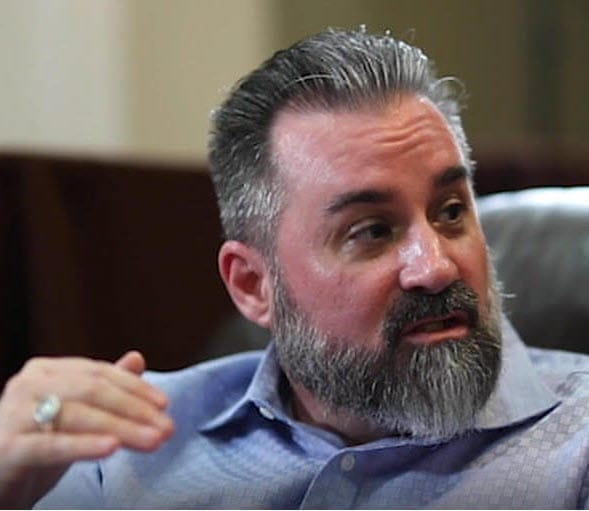
Chris Daniel, just a servant of Christ calling others to be ready. Like the Bereans, I try to examine Scripture daily to see if what I hear is true. If you're struggling to live as we're called, you're still in the fight. Don't give up.

Category 2 - Christian Apologetics


Category 3 - Bible Study

Category 4 - Theology



"Most middle-class Americans tend to worship their work, work at their play, and play at their worship. As a result, their meanings and values are distorted. Their relationships disintegrate faster than they can keep them in repair. Their lifestyles resembles a cast of characters in search of a plot." - Gordon Dahl
"The Bible is a reliable collection of historical documents written down by eyewitnesses during the lifetime of other eyewitnesses that report supernatural events that took place in fulfillment of specific prophecies and claimed their writings were divine rather than human in origin."
- Dr. Voddie Baucham on 2 Peter 1